
Robotic cell simulation is becoming a key technology in modern industrial automation. As digital transformation accelerates, companies are increasingly relying on robotic cell simulation to improve efficiency, reduce risks, and optimize production processes.
In this context, simulation enables manufacturers to visualize and validate an entire robotic system before physical implementation. As a result, it becomes possible to anticipate issues, reduce costs, and ensure better decision-making.
If your company is planning to implement automation, understanding how simulation works is essential—especially when aiming for the level of precision and performance delivered by RoboterSys.
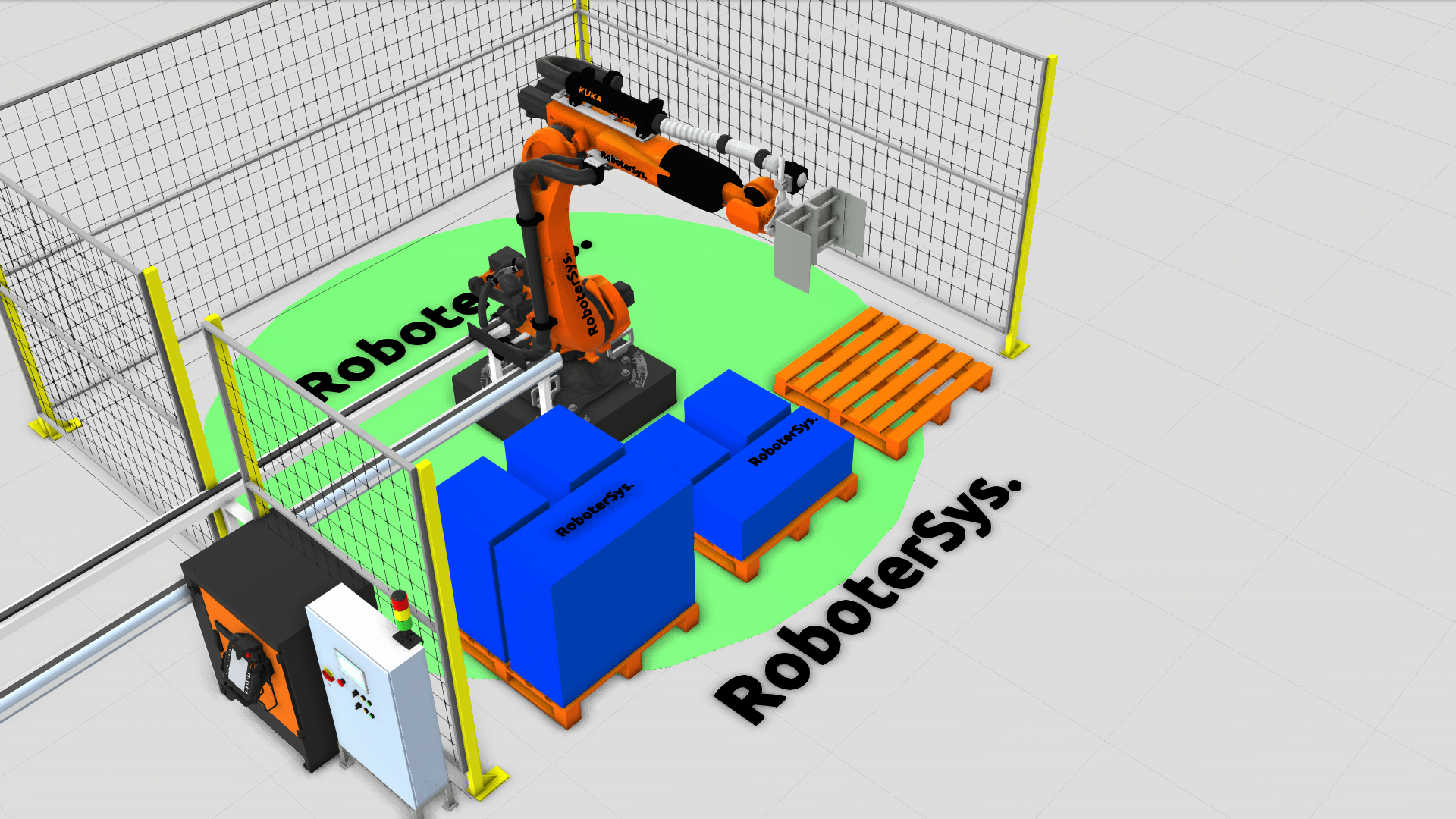
What Is Robotic Cell Simulation?
Robotic cell simulation is a digital representation of a robotic system.
In practice, it allows engineers to simulate:
- Robot movements
- Tool paths
- Cycle times
- Interactions between robots and peripherals
Therefore, companies can test and validate projects in a safe and controlled environment. In addition, simulation significantly reduces uncertainties before installation.
How Robotic Cell Simulation Works
First, a 3D model of the production environment is created.
Then, robots and peripherals are added to the simulation. After that, engineers define trajectories, movements, and process logic.
Finally, multiple scenarios can be tested. Consequently, it becomes possible to identify inefficiencies, collisions, and optimization opportunities before deployment.
Benefits of Robotic Cell Simulation
Robotic cell simulation provides several measurable advantages.
For example:
- Reduced operational costs
- Faster commissioning time
- Less rework
- Improved safety during planning
- Better layout visualization
- Data-driven decision-making
Because of these benefits, simulation is no longer optional. Instead, it has become a critical requirement for competitive industries.
Step-by-Step Implementation
To successfully apply simulation, companies should follow a structured approach:
- Model the factory environment in 3D
- Insert robots and virtual peripherals
- Define trajectories and cycle times
- Run simulations under different scenarios
- Analyze results and validate the system
- Apply improvements and finalize the project
Each step requires technical expertise and strong integration between engineering and production teams. At RoboterSys, this process is executed with high precision to ensure reliable outcomes.
Flexibility in Production Scenarios
Another important advantage is flexibility.
Simulation allows:
- Quick reconfiguration
- Validation of new products
- Adaptation to small batch production
- Faster machine setup
Therefore, companies can respond quickly to market changes while maintaining efficiency.
Risk Reduction and Safety Improvement
One of the most important benefits of simulation is risk reduction.
Even before installation, it is possible to detect:
- Interference between components
- Robot collisions
- Unsafe zones for operators
Moreover, it enables the creation of virtual safety zones. As a result, projects can comply with standards such as ISO 10218 and other safety regulations.
Why Adopt Robotic Cell Simulation Now
There is no doubt that robotic cell simulation is essential for companies aiming to remain competitive.
By adopting this technology, businesses can:
- Optimize processes
- Reduce costs
- Improve safety
- Increase efficiency
Ignoring simulation, on the other hand, means accepting higher risks and lower performance.
At RoboterSys, we provide advanced simulation services to support feasibility studies, decision-making, and full project validation—ensuring maximum performance before implementation.
For more information, visit:
https://robotersys.com/remote-support-usa/
Conclusion
In summary, robotic cell simulation is a powerful tool that transforms how automation projects are planned and executed.
By enabling virtual validation, companies gain greater control, reduce uncertainties, and achieve better results.
RoboterSys delivers complete simulation and engineering solutions, ensuring that every robotic project is optimized, safe, and ready for real-world performance.
Frequently Asked Questions
Does simulation replace real testing?
No. Instead, it complements physical testing and helps anticipate problems.
Can simulation be used with any robot brand?
Yes. Most software platforms include extensive robot libraries.
Is simulation accessible for small companies?
Yes. There are scalable solutions, including cost-effective options.
Is it necessary to hire specialists?
Yes. Accurate simulation requires experienced engineers with expertise in robotics and industrial processes.