Industrial robotics is transforming industries across the globe. With the rise of Industry 4.0, industrial robotics has emerged as a powerful force reshaping manufacturing operations. Companies like RoboterSys are supporting this transformation by helping manufacturers maintain their production lines with innovative technologies that increase efficiency, safety, and quality.
The Importance of Industrial Robotics
Today, industrial robots are essential in sectors such as automotive, pharmaceutical, food processing, and many others. They perform repetitive and complex tasks with unmatched precision. This level of automation enables companies to significantly reduce cycle time and minimize errors, reaching new levels of productivity. By automating processes, businesses can also free up their workforce to focus on strategic activities, increasing the overall value generated by their teams.
Benefits of Automation with Robots
Increased Productivity: Robots can operate for extended periods, ensuring continuous and efficient production.
Improved Quality: Machine precision drastically reduces defects, resulting in more consistent, high-quality products.
Cost Reduction: Automation lowers operational costs by optimizing material usage, reducing waste, and minimizing rework.
Occupational Safety: Robots take on hazardous tasks, protecting workers from risks and improving overall workplace safety.
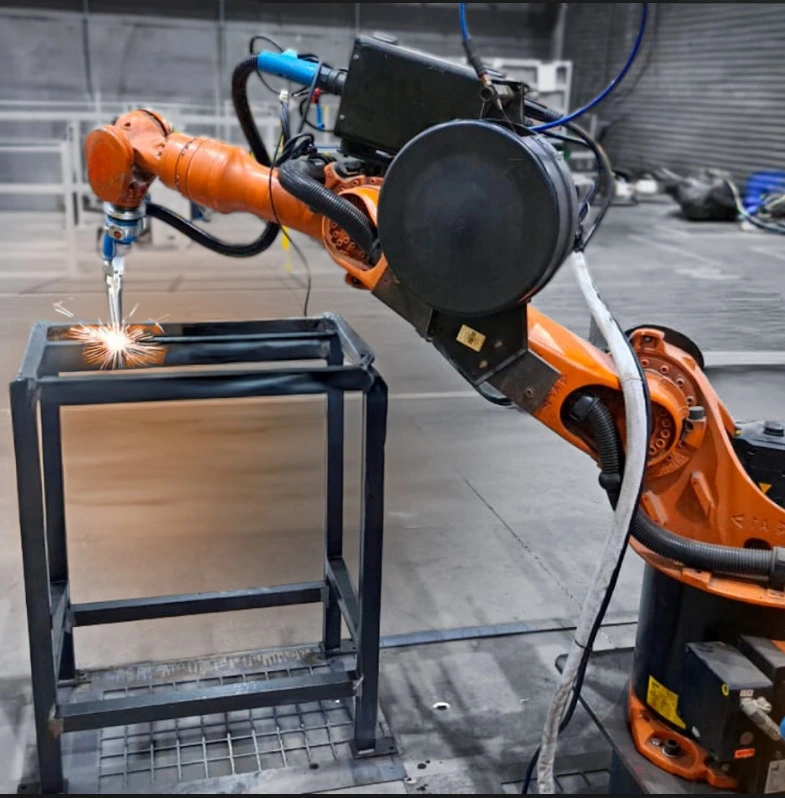
Key Considerations for Industrial Automation with Robots
As Industry 4.0 continues to evolve and industrial robotics reshapes manufacturing, successful automation requires well-structured strategies to ensure long-term performance and reliability. While adopting robotic systems delivers clear benefits—such as higher productivity, lower costs, and enhanced safety—it also demands careful planning in implementation and maintenance.
Integration and Custom Solution Development
Successful automation begins with selecting and properly integrating the right robotic systems. This includes understanding the specific needs of the facility, designing customized solutions, and implementing technologies that optimize operations.
Modernization and Upgrades
Modernizing existing robotic cells is essential to keep pace with technological innovation. Updating equipment and control systems ensures compliance with current standards while improving operational efficiency and extending asset lifespan.
Focus on Sustainability and Efficiency
Automating processes with robots reduces waste, optimizes material usage, and minimizes operational failures. These practices positively impact operating costs and contribute to environmental sustainability—an increasingly strategic factor in industrial competitiveness.
Preparing for the Future
In a constantly evolving industrial landscape, investing in innovation and team training is critical. Companies that continuously develop their technological capabilities are better positioned to capitalize on emerging automation trends.